
Removing Trees Changes Soil Strength, Drainage, and How Safe It Is to Dig
The impact of tree removal on soil and excavation work can be bigger than most people expect. When a tree is removed, the roots begin to decay, the soil can shift, and water may drain in new ways. This can affect digging for foundations, driveways, pools, or utility lines. If you plan to build or excavate after tree removal, you need to understand how the ground will react.
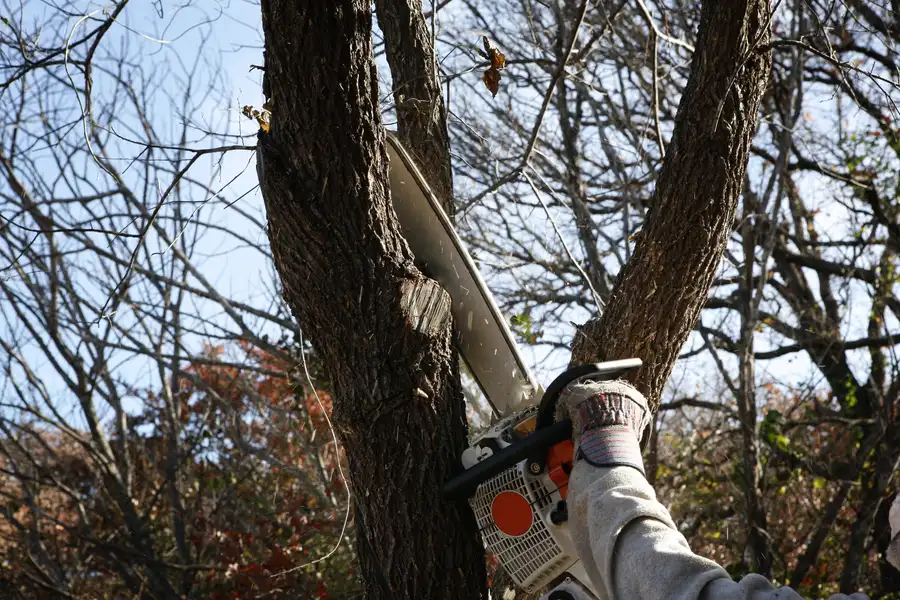
Why Soil Changes After Tree Removal
Tree roots do more than hold a tree upright. They also hold soil in place. Roots spread wide and deep. They create a natural web that helps prevent erosion and settling.
After tree removal services cut down a tree, the roots are left behind unless they are fully removed. Over time, those roots rot. As they break down, they leave empty pockets in the soil. These gaps can cause the ground to sink or shift.
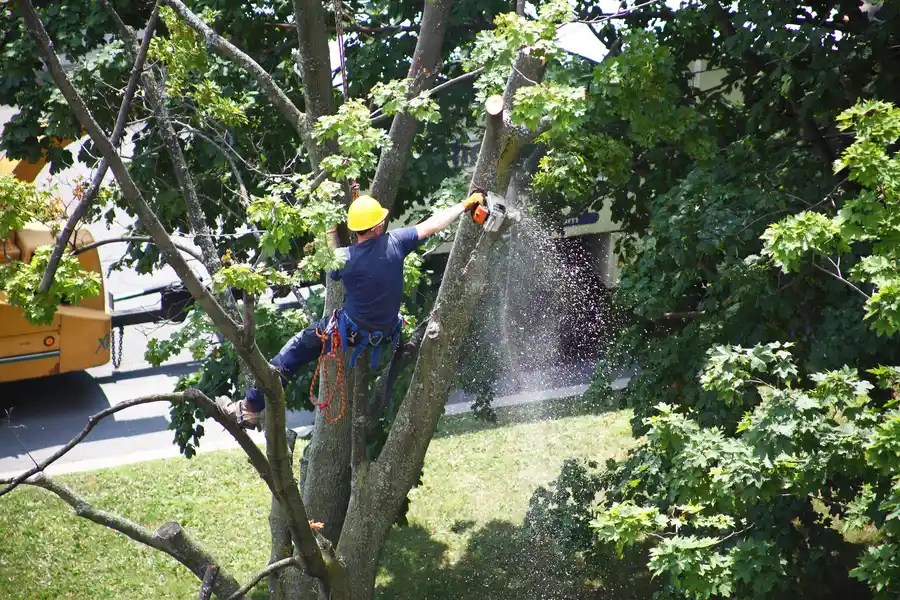
This matters a lot if you are planning excavation work. Loose or uneven soil can lead to cracks in concrete, uneven patios, or unstable footings.
Common Problems During Excavation
When digging starts after a tree has been removed, contractors often run into a few clear issues:
- Soft or spongy soil where roots used to be
- Hidden large roots that block equipment
- Water pooling in the old root zone
- Uneven settling after backfilling
If large roots are still underground, excavation crews may need extra time and heavy equipment to break them up. This can slow down grading and site prep.
In some cases, removing an old stump without proper planning makes the problem worse. The soil around a stump is often disturbed, which adds to settling later.
What to Check Before Starting Excavation
Before digging, take a close look at the area where tree removal services were completed. Ask a few basic questions:
- Was the stump ground down or fully removed?
- How large was the tree’s root system?
- Has the soil been compacted after removal?
- Do you notice sinking or cracking already?
If the tree was large, the root spread may reach far beyond the trunk. Even if the surface looks level, the soil below may not be stable.
Good site prep often includes compacting the soil and sometimes bringing in clean fill dirt. This creates a stronger base for excavation and construction.
How Drainage Is Affected
Trees absorb a lot of water. Once a tree is gone, that water stays in the soil. This can make the area wetter than before, especially after heavy rain.
Wet soil is harder to excavate and harder to compact. It can also lead to:
- Muddy job sites
- Soil erosion
- Shifting trenches
- Water near foundations
Proper grading and drainage planning should happen after tree removal services and before major excavation begins. Sloping the land away from structures and adding drainage solutions can help control moisture.
Safe Fixes Versus Professional-Level Work
Some minor issues can be handled with simple steps. For example, small soft spots may be fixed by removing loose soil and compacting new fill. Light grading can also improve surface drainage.
But deeper problems call for skilled help. Large root voids, major settling, or excavation near a future foundation should be handled by trained crews. This type of work often falls under , especially when heavy equipment and precise grading are needed.
Trying to rush excavation without fixing soil problems can cost more later. Cracked slabs and uneven structures are expensive to repair.
Prevention Tips for Long-Term Stability
If you are planning a project that involves both tree removal and excavation, timing and planning are key.
Here are smart steps to follow:
- Remove trees well before construction begins
- Allow time for root removal and soil treatment
- Compact the soil in layers
- Plan drainage before pouring concrete
- Inspect the area for signs of settling
It also helps to work with a team that handles tree removal services and understands how it connects to excavation projects. That way, the ground is prepared with the next phase in mind.
When to Get Expert Help
You should seek professional help if you notice sinking ground, standing water, or large buried roots in your dig area. You should also get help if you are building something permanent, like a home addition or retaining wall.
Soil may look stable on the surface but be weak underneath. A trained team can evaluate compaction, remove deep roots, and prepare the site properly.
Talk With a Local Team Before You Build
If you are planning excavation after tree removal in Micco, FL, it helps to work with a crew that understands how soil shifts over time. At Striblings Tractor Services Micco FL, we handle tree removal services with future construction in mind, and we prepare sites the right way so new projects start on stable ground. Call us at (772) 251-2557 to talk about your plans and let us help you move forward with confidence.